Treat your low back pain, disc problems, and sciatica without drugs or surgery
About the Graston Technique®
Changing the way soft tissue injuries are treated
Graston Technique® is an interdisciplinary treatment used by nearly 5000 clinicians—including athletic trainers, chiropractors, hand therapists, occupational and physical therapists.
Clinical Applications of the Patented GT Instruments
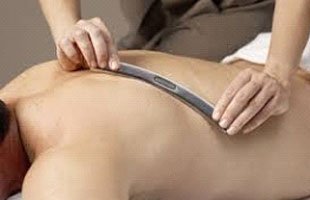
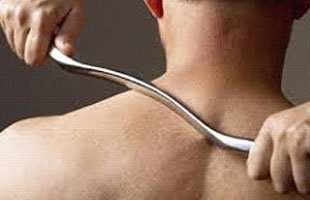
The Graston Technique® (GT) Instruments, while enhancing the clinician’s ability to detect fascial adhesions and restrictions, have been clinically proven to achieve quicker and better outcomes in treating both acute and chronic conditions, including:
Cervical sprain/strain (neck pain)
Carpal Tunnel Syndrome (wrist pain)
Lateral Epicondylitis
Rotator Cuff Tendinitis (tennis elbow)
Achilles Tendinitis (ankle pain)
Scar Tissue
Shin Splints
Lumbar sprain/strain (back pain)
Plantar Fasciitis (foot pain)
Medial Epicondylitis (golfer’s elbow)
Patellofemoral Disorders (knee pain)
Fibromyalgia
Trigger Finger
Active Release Technique® (ART)
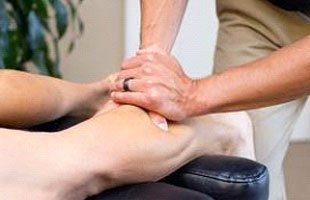
ART is a patented, state of the art soft tissue system/movement based massage technique that treats problems with muscles, tendons, ligaments, fascia, and nerves. Headaches, back pain, carpal tunnel syndrome, shin splints, shoulder pain, sciatica, plantar fasciitis, knee problems, and tennis elbow are just a few of the many conditions that can be resolved quickly and permanently with ART. These conditions all have one important thing in common: they are often a result of overused muscles.
How do overuse conditions occur?
Over-used muscles (and other soft tissues) change in three important ways:
Acute conditions (pulls, tears, collisions, etc),
Accumulation of small tears (micro-trauma)
Not getting enough oxygen (hypoxia)
Each of these factors can cause your body to produce tough, dense scar tissue in the affected area. This scar tissue binds up and ties down tissues that need to move freely. As scar tissue builds up, muscles become shorter and weaker, the tension on tendons causes tendonitis, and nerves can become trapped. This can cause reduced range of motion, loss of strength, and pain. If a nerve is trapped, you may also feel tingling, numbness, and weakness.
Call our office today to discuss these treatment options.